

Last updated
9 min readrbaWhat the March 2026 RBA hike means for your Bulimba mortgage
On 17 March 2026 the RBA raised the cash rate by 25 basis points to 4.10% (RBA Media Release MR-26-08). Variable home loan rates have lifted roughly in step. For a $1.4M owner-occupier loan typical of inner-east Brisbane, full pass-through with 25 years remaining adds approximately $230–$280 per month, depending on the loan structure. Three checks tell most borrowers whether to refinance, call the retention team, or wait.
The short version (TL;DR)
On 17 March 2026 the RBA raised the cash rate by 25 basis points to 4.10% (RBA Media Release MR-26-08, confirmed against the RBA Cash Rate Target live page). Variable home loan rates have lifted in step across most lenders. For a $1.4M owner-occupier loan typical of inner-east Brisbane, full pass-through with 25 years remaining adds roughly $230–$280 per month — assumptions: full pass-through and standard 25-year amortising structure. Three quick checks tell most borrowers whether to refinance, call the retention team, or simply absorb the increase.
If the increase is showing up on the next mortgage statement, a 30-minute coffee is the cheapest way to map the actual numbers and the next move.
The plain English version
The 17 March 2026 cash rate decision moves the cash rate target to 4.10% — its highest level in this cycle. Standard variable home loan rates respond to cash rate moves with most lenders passing through within 4–8 weeks of the decision, not always at full magnitude.
What "full pass-through" means in practice
Lenders aren't required to pass on cash rate changes one-for-one. Historical pass-through during tightening cycles has averaged around 75–90% per the RBA's April 2024 Bulletin on cash rate pass-through, with newer customers typically seeing fuller pass-through than existing customers.
A 25 basis point rise at full pass-through means a 0.25% increase in the variable rate. On a $1.4M loan with 25 years remaining, that's an extra $230–$280 per month at standard amortising structure. On a $700,000 loan, around $115–$140 per month.
Three checks before doing anything
The decision to refinance, call the retention team, or wait depends on three things:
- Current rate vs new-customer pricing at the same lender. Most lenders publish a lower rate for new customers than they charge existing ones. A retention call asking the lender to match their own new-customer rate often resolves the increase without a refinance.
- Fixed vs variable position. Borrowers on a fixed rate set in the 2021–2023 low-rate window aren't directly affected by this hike. The relevant question is what happens at the fix's expiry — if that's within 6–12 months, the planning starts now.
- Whether the next 60 days creates a refinance opening. Cashback offers and competitive new-customer rates often appear in the weeks following a rate move as lenders compete for refinance volume. Rushing in week 1 typically captures less than waiting 4–6 weeks for the market to settle.
If those three checks point to "refinance worth doing," the first conversation is free.
The detail (for those who want it)
Where the cash rate sits in the cycle
The 17 March 2026 decision lifted the target from 3.85% to 4.10%. Cash rate context for borrowers thinking through the next 12 months:
- The cycle's prior peak this period was 4.10% reached in late 2023 before easing began
- Easing through 2024 took the rate to 3.85% by mid-2025 where it held for several months
- The March 2026 hike puts the rate back at the cycle peak, with RBA commentary indicating data-dependent next steps
Borrowers reading the RBA's communications for direction on whether more hikes are coming should focus on the Statement on Monetary Policy and the post-decision media release rather than market commentary.
What the hike actually costs (worked examples)
A few illustrative payment changes at full pass-through, standard 25-year amortising structure, principal-and-interest:
| Loan balance | Approx. monthly increase | Approx. annual increase |
|---|---|---|
| $500,000 | $80–$100 | $1,000–$1,200 |
| $700,000 | $115–$140 | $1,400–$1,700 |
| $1,000,000 | $165–$200 | $2,000–$2,400 |
| $1,400,000 | $230–$280 | $2,800–$3,400 |
| $2,000,000 | $325–$400 | $3,900–$4,800 |
The range reflects whether the loan is closer to the start of its term (more interest, larger absolute change) or further through (more principal, smaller change). Interest-only loans see a larger immediate cash flow impact relative to principal-and-interest loans because every basis point lands as cash flow rather than amortising.
Check 1 — current rate vs new-customer pricing
Most lenders' rate sheets carry two effective rates: the published rate for new customers, and the rate existing customers are paying. The gap typically widens with loan tenure — borrowers who've been with the lender for several years usually pay more than borrowers writing new loans this week.
The fix: call the lender's retention team and ask them to match their own published new-customer rate. The conversation takes 15 minutes and costs nothing. Many lenders accommodate the request without paperwork beyond a phone call, particularly for clean files with strong tenure. A retention success often closes 0.20–0.40% off the existing rate.
Check 2 — fixed-rate position
Borrowers on a fixed rate set during the low-rate window (typically rates fixed in 2021 or early 2022 at 2.5–3.0% for 3–5 year terms) aren't affected by this hike directly. The hike matters at fix expiry.
The planning that helps:
- Identify the fix expiry date — usually on the loan summary in the lender's app or portal
- 6 months before expiry, request a rate comparison from the broker or the lender's retention team
- 3 months before expiry, run the refinance numbers if the renewal rate doesn't compete
- At expiry, the loan typically rolls to the lender's standard variable rate unless the borrower actively chooses a new fix or refinances
For Bulimba homeowners with fixes rolling off in mid-to-late 2026, the planning conversation matters now rather than in November.
Check 3 — refinance opening in the next 60 days
Cash rate moves tend to be followed by lender promotional activity as banks compete for refinance volume. Cashback offers ($2,000–$5,000), fee waivers, and competitive new-customer rates often peak in the 4–8 week window after a rate decision.
For borrowers who decide a refinance makes sense, the calendar matters:
- Week 1–2 after a rate move: lender pricing is still adjusting; competitive offers often haven't yet hit the market
- Week 4–8: the most aggressive offers typically appear here
- Week 12+: offers normalise; the window for the best terms typically closes
A borrower who's clear that refinancing makes sense but is unsure when to act usually benefits from waiting until the 4–6 week window rather than chasing the first offer.
When the answer is "stay put"
Several scenarios where this hike doesn't warrant action:
- Loan is on a competitive rate already (within 0.20% of new-customer pricing at the same lender)
- Fix is mid-term and breaking is expensive — break costs would wipe out the saving
- LVR is high enough that refinancing would trigger LMI on the new loan
- Credit profile has changed since the original loan was approved
- Major life event (job change, property purchase, restructure) is in flight
Sometimes the most useful broker conversation after a rate move is "no action needed; we'll revisit at fix expiry / when LVR drops below 80%."
The first conversation is 30 minutes, no obligation. Book one with Danny or call him on 0423 161 855.
More from Danny

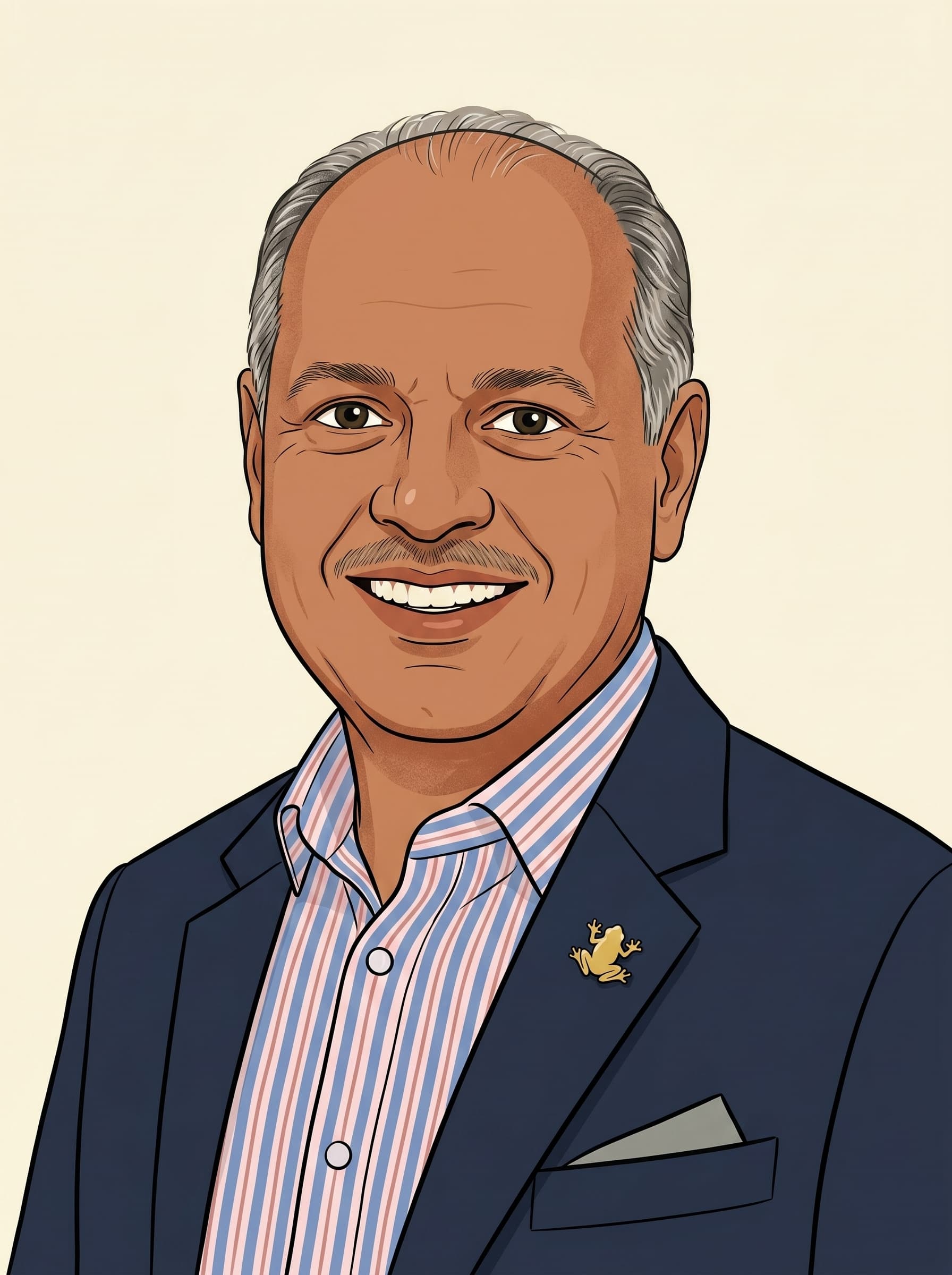
Danny Naidoo
Danny Naidoo, Credit Representative under Australian Credit Licence 486112, mortgage broker in Bulimba, Brisbane.
Want to talk about this?
Thirty-minute first conversation, no obligation. Coffee on Oxford Street or video — whatever suits your week.
Book a coffee with DannyOr read more about Danny as a Bulimba mortgage broker.