

Last updated
11 min readguarantorBank of Mum and Dad: structuring family help so it actually holds
Family-help home loans typically use one of three structures: a limited guarantee against a portion of the loan with a release timeline, a full guarantee with separate parent and child facilities, or a documented gift secured by a deed of family loan. Each has different consequences for the parents' position, the child's borrowing capacity, and what happens if circumstances change.
The short version (TL;DR)
Family guarantor and gifted-deposit arrangements have moved from edge-case to mainstream — Bank of Mum and Dad ranked among the largest mortgage lenders in Australia by aggregate balance over the past decade. Three structures dominate: a limited guarantee against a portion of the loan with a defined release timeline, a full guarantee with separate parent and child facilities, and a documented gift secured by a deed of family loan. Each has different consequences for the parents' retirement position, the child's serviceability assessment, and what happens if income, relationships, or property values change.
If a family conversation about helping the next generation buy is on the table, a 30-minute coffee is the cheapest way to map the three structures against the specific situation before any commitment is made.
The plain English version
Helping an adult child buy a home is rarely a single decision — it's a structural choice with consequences that play out over five to ten years. The three common paths each look similar at the dinner table but behave very differently when life moves.
Structure 1 — limited guarantee
The parents put a portion of their own property up as additional security on the child's loan. The lender typically registers a second mortgage over the parent's home for the gap between the child's deposit and the standard 20% LVR threshold. The child still contributes 5–10% from their own savings; the parents' equity covers the rest of the gap.
The pledge is released once the child's loan amortises down enough that they're at 80% LVR on their own property — usually 5–10 years. The parents' property becomes free of the pledge at that point and the child carries the loan independently.
Structure 2 — full guarantee with separate facilities
A heavier structure used when the child has minimal savings or the property price requires more than a limited guarantee can cover. The parents take a separate loan facility against their own home, lend that money to the child as the child's deposit, and the child takes a standard loan in their own name.
The parents' loan is a real loan with real repayments — they're carrying credit-file exposure for the duration. Suits families where the parents have substantial equity and prefer the cleaner separation of "parent loan" and "child loan" rather than a guarantor relationship.
Structure 3 — gift with deed of family loan
A direct gift, but documented. The deed of family loan records that the gift is repayable in defined circumstances (sale of the property, the child entering a relationship breakdown, the parents' retirement liquidity needs). It's a hybrid: the lender treats it as a gift for serviceability purposes, but the family treats it as a loan for relationship-protection purposes.
If the family is working through which structure fits, the first conversation is free and typically clarifies the choice in 30 minutes.
The detail (for those who want it)
Why structure matters more than amount
The headline number — how much help the parents can give — is the wrong place to start. The right starting point is what each structure does to the parents' position if life moves in an unexpected direction.
A limited guarantee leaves the parents with contingent liability on the second mortgage until release. If the child defaults during the pledge window, the lender can pursue the parents' equity for the pledged amount. Most pledges hold cleanly because most child borrowers don't default, but the structural risk lives on the parents' balance sheet for those years.
A full guarantee with separate facilities turns the parents into actual borrowers. Their loan reduces their borrowing capacity for any other purpose during the loan's life — refinancing their own home, taking equity for retirement income, downsizing into a smaller property, all become subject to the existing parent-loan exposure.
A documented gift removes the parents' ongoing balance-sheet exposure (the cash leaves; the structural relationship to the child's loan ends) but the immediate liquidity hit is full and final.
- Loan-to-value ratio (LVR)
The size of the loan as a percentage of the property's value. An 80% LVR is the standard threshold at which lenders waive Lender's Mortgage Insurance. Family guarantor structures typically exist to bridge a child's actual savings position to that 80% threshold without the child paying LMI on a higher-LVR loan.
Structure 1 in detail — limited guarantee
A worked example. The child wants to buy a $1.2M property in Bulimba's outer fringe. The child has $120,000 saved — 10% — but the standard requirement to avoid LMI is $240,000 (20%). The parents' home is valued at $1.6M with an existing mortgage of $200,000 — they have $1.4M of available equity.
The lender registers a limited guarantee for $120,000 against the parents' home. Combined with the child's $120,000 cash, the loan is structured as 80% LVR overall. The child's monthly repayments are theirs alone; the parents make no repayments under the guarantee.
The pledge is released once the child's loan principal is paid down enough that the child is at 80% LVR on their own property. With standard repayments and without any extra contributions, that's usually 5–10 years. With faster paydown or property value growth, it can be sooner.
Structure 2 in detail — full guarantee with separate facilities
When the child's savings position is too thin for a limited guarantee to cover the gap, or when the parents prefer a cleaner separation, two-loan structures suit better.
The parents take a new loan facility on their own home — typically structured as a line-of-credit secured by their property — and lend that money to the child as the child's deposit. The child then takes a standard 80% LVR loan in their own name on the new property.
The parents are now carrying a real loan with real interest, real repayments, and credit-file impact for the loan's life. Their borrowing capacity for any other purpose is reduced by the new loan amount. This is the structure most often used when the parents' financial position is comfortable enough to absorb a parallel loan and the family wants the legal separation between "parent loan" and "child loan."
Structure 3 in detail — gift with deed of family loan
A genuine gift removes the parents' ongoing exposure but creates a different problem: family-relationship risk if the child's circumstances change. A relationship breakdown can mean half the gifted amount becomes property of the ex-partner under family law's contributions framework, even when the gift was clearly to the child.
A deed of family loan addresses this. The deed records that the gift is repayable in defined trigger events — sale of the property, relationship breakdown, the parents' liquidity need — and the lender treats it as a gift for the child's serviceability assessment because the deed isn't enforceable in normal repayment terms.
The deed needs proper legal drafting (typically $1,500–$3,500 from a family-law-aware solicitor). It's not a DIY document. The cost is small relative to what it protects.
Centrelink, tax, and the gifting rules
The parents' side of any of these structures has tax and Centrelink implications worth getting professional input on:
- Centrelink gifting rules — gifts above $10,000 in any single year (or $30,000 over five years) count against the parents' Age Pension asset and income tests for five years. Larger gifts can affect Pension eligibility for the gifting parent.
- Capital gains tax — gifting appreciated assets (e.g. shares, an investment property) may trigger CGT on the gifter. Cash from existing savings doesn't.
- Loan vs gift treatment — lenders have specific rules about how the deposit funds are characterised. A documented loan back to the parents reduces the child's borrowing capacity; a documented gift doesn't.
These are accountant questions, not broker questions. A common and useful sequence: family conversation, accountant on the parent side, then broker conversation about which structure fits the lender side.
Where each structure suits
| Situation | Structure most likely to fit |
|---|---|
| Child has 10% deposit, parents have substantial home equity | Limited guarantee |
| Child has minimal savings, parents have substantial home equity + income | Full guarantee with separate facilities |
| Child has 5–10% deposit, parents prefer cash gift | Documented gift with deed of family loan |
| Child has minimal savings, parents have liquid cash but low home equity | Documented gift (parents avoid taking debt) |
How to read whether a family-help conversation is worth having
A few signals worth checking before a family-help arrangement starts taking shape:
- Both households' financial positions are stable — the parents' retirement income, their own debt levels, their five-year financial plan
- The child's serviceability can carry the loan independently once the help bridges the deposit
- The family relationship can hold — "what if" conversations have happened before the structure is signed
- Independent legal advice for both sides — particularly the parents' side, particularly with deed-of-family-loan structures
- Accountant input on tax and Centrelink before the structure is committed
If those signals look right, the first broker conversation is 30 minutes and free, and typically clarifies which of the three structures fits the situation before any documents are drafted. Book one with Danny or call him on 0423 161 855.
More from Danny



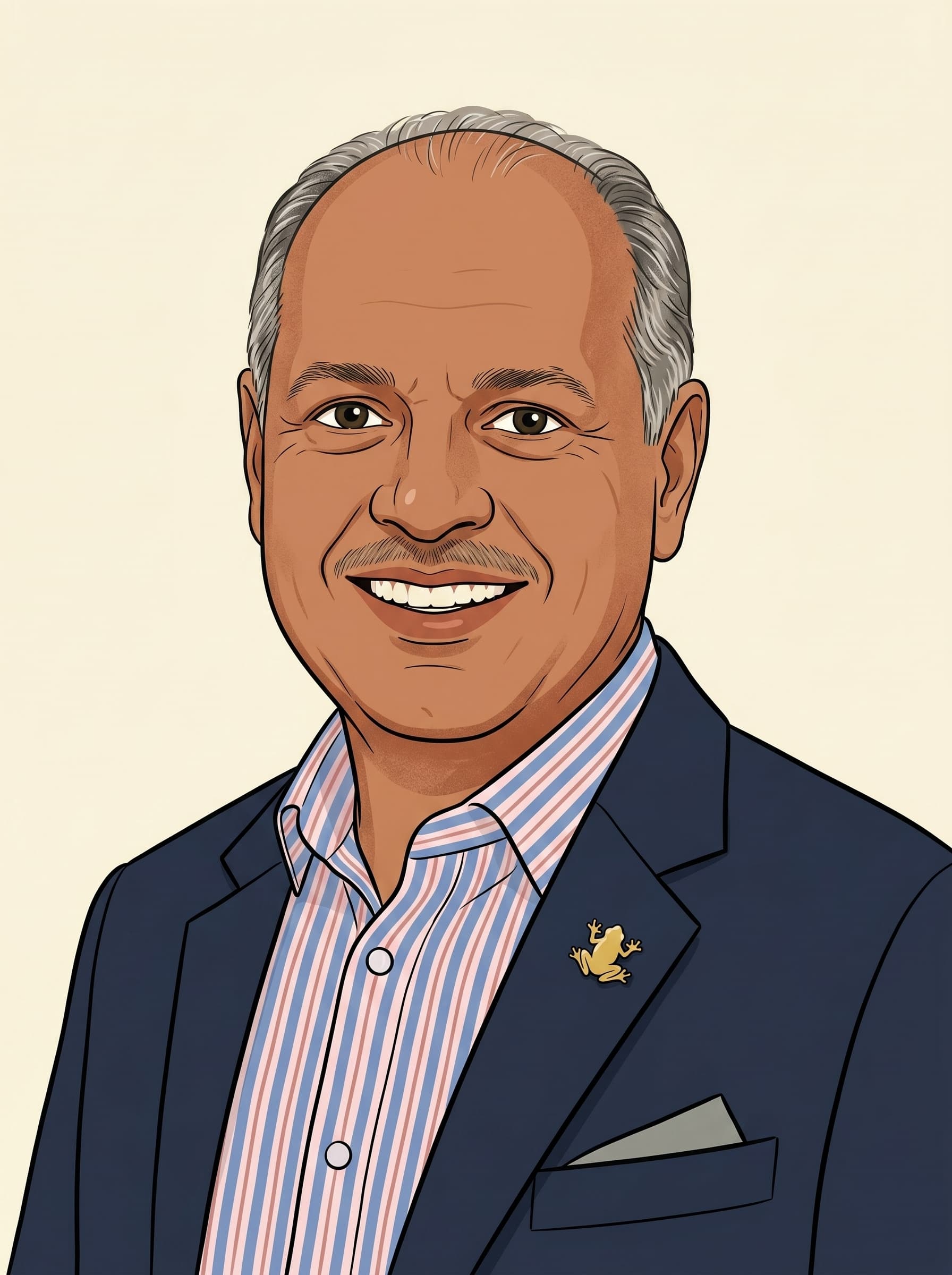
Danny Naidoo
Danny Naidoo, Credit Representative under Australian Credit Licence 486112, mortgage broker in Bulimba, Brisbane.
Want to talk about this?
Thirty-minute first conversation, no obligation. Coffee on Oxford Street or video — whatever suits your week.
Book a coffee with DannyOr read more about Danny as a Bulimba mortgage broker.